
A Prize-Winning Story Was Flagged as AI. The Author Has Neuropathy and Writes on His Phone.
Jamir Nazir won the 2026 Commonwealth Short Story Prize for The Serpent in the Grove. Within weeks, AI detection tools and online commenters declared the story artificial. His response: he has neuropathy and cannot sit at a desk. He writes on his Android phone using speech-to-text. The Commonwealth Foundation cleared him. Granta dropped the prize partnership regardless.

Jamir Nazir is a Trinidadian writer. In 2026, he won the Commonwealth Short Story Prize for a story called The Serpent in the Grove, about a farmer's failed plot to kill his wife. The story won. Then a different story started.
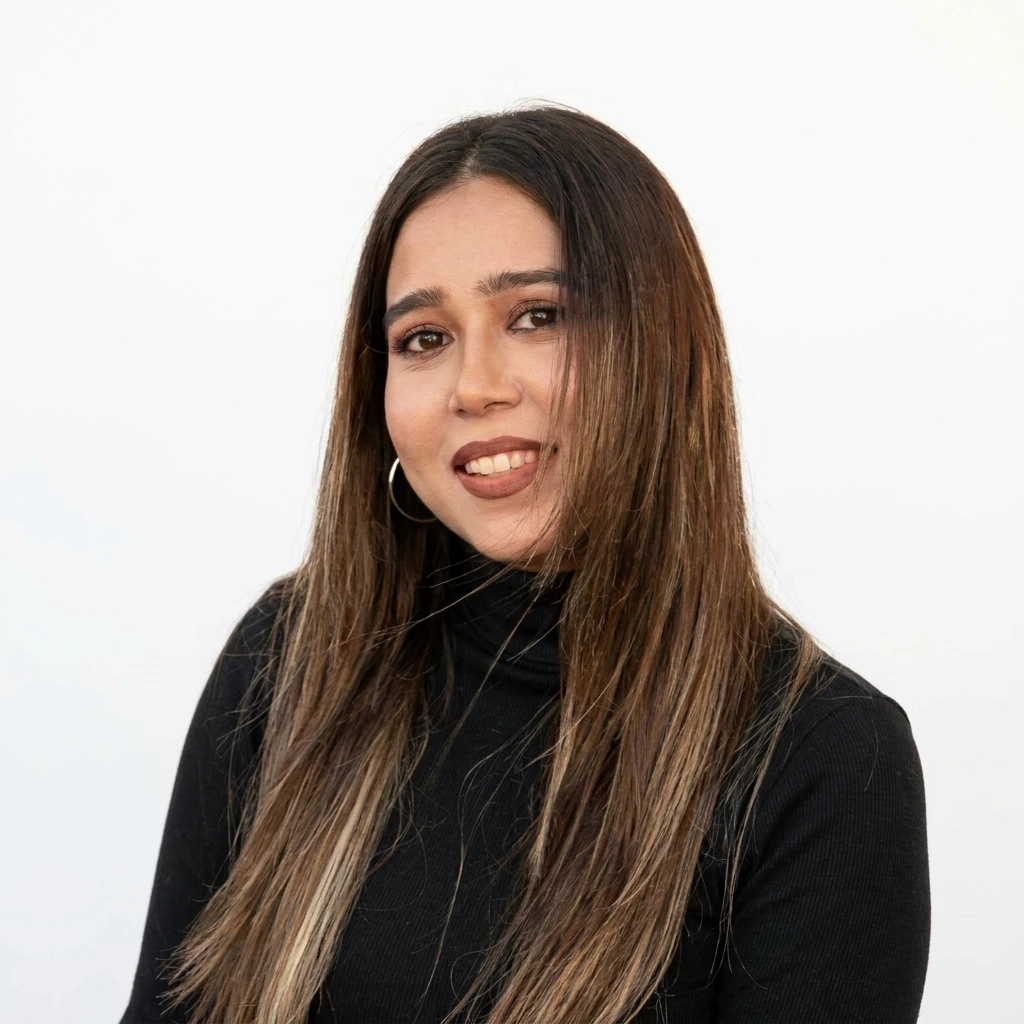
Within weeks of the announcement, the story was flagged by Pangram, an AI detection tool, as 100 percent artificial. That flag circulated online. Commenters noted what they called obvious markers of AI-generated text: items arranged in threes, not x but y sentence constructions. Someone noted that Nazir's press headshot looked AI-generated too. The implication was clear: the writer did not exist. The story was not written. A machine had won a literary prize.
|
Nazir's Defense
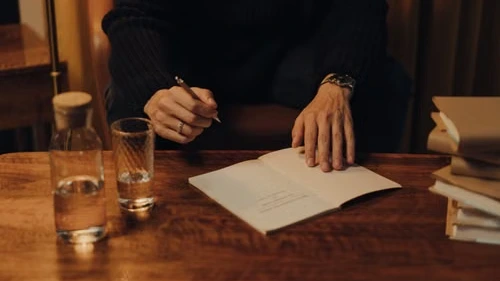
Jamir Nazir has neuropathy. The condition makes sitting at a desk and using a keyboard difficult. He writes on his Android phone, dictating his work using speech-to-text and editing line by line because he can only see a few lines of text at a time on the screen. He told the Observer he completed six or seven drafts of The Serpent in the Grove through this process.
The writing method is unusual. It is also legitimate. Speech-to-text is a standard assistive technology. Editing a dictated draft is writing. The process Nazir described is laborious, not automated.
The Commonwealth Foundation took the accusation seriously rather than dismissing it. Judges reviewed timestamped drafts, handwritten notes, and outlines submitted by Nazir. After that review, the Foundation confirmed that AI had not been used in the creation of the winning stories. Commonwealth Foundation Director-General Razmi Farook stated the position clearly: all shortlisted writers personally confirmed no AI was used, and the documentation supported that confirmation.
What the Accusations Were Based On
The evidence cited against Nazir's story was stylistic. Pangram, the detection tool, flagged the text as artificial. Commenters pointed to sentence structures they associated with AI output.
AI detection tools produce false positives at rates their developers acknowledge. The stylistic patterns described as AI tells, repetition in threes and contrastive constructions, have appeared in literary prose for centuries. They appear in prize-winning human writing. They appear in translated work. They appear in writing produced through unconventional processes like dictation.
A headshot looking AI-generated is not evidence that a person does not exist.
What Granta Did
Granta, which has traditionally published the Commonwealth Short Story Prize winning entries as part of its partnership with the prize, took a different approach than the Foundation.
Granta publisher Sigrid Rausing fed Nazir's text to Claude, an AI assistant, to test whether it appeared to be generated. Then Granta cut ties with the Commonwealth prize entirely. Rausing said publicly that it could be a case of AI plagiarism, adding: we don't yet know, and perhaps we never will know.
Granta stated it would no longer participate in external publishing partnerships where it lacks editorial control over the selection process. The Commonwealth Foundation had already cleared Nazir. Granta's decision came after that clearance.
|
What This Actually Means
The institutional response to this story contains a problem that goes beyond this specific case. A detection tool flags a story. A magazine feeds that story to another AI to check the first AI's conclusion. The author is cleared by the prize body after document review. The magazine ends the partnership regardless, citing uncertainty.
That sequence treats unreliable automated detection as the standard of proof while treating documented human drafts and institutional review as insufficient. Stylistic tells and detection scores are not evidence. A writer using assistive technology to produce a complete, multi-draft work is writing.
The Slate headline described Nazir's defense as making the case stranger. The case is strange. But the strangeness is not in what Nazir said. It is in the assumption that a story written on a phone through speech-to-text should look indistinguishable from a story written at a desk on a keyboard, and that any deviation from that expected texture is cause for suspicion.
|
Understanding the patterns, pace, and structure of your own writing is one way to document what your voice actually looks like across a manuscript. WriteO's Writing Analytics gives you visibility into how your manuscript is built, the kind of data that reflects your creative process and makes your authorship legible over time.
Sources: Slate, The Daily Star, Granta via Resultsense, The Free Press, NewsBytes, The Walrus, Observer