

Plagiarism, AI Callouts, and an Author Quitting Instagram: BookTok Is Having a Moment
Three separate controversies hit the book community in the same news cycle. An indie romance accused of being AI-rewritten plagiarism. A well-known author calling out an unnamed colleague for using generative AI. And a beloved writer leaving social media after things got personal. Here is what happened.

The reading community has always had its arguments. Goodreads reviews have gone nuclear over less. But the past few months on BookTok have been unusually loud, and the noise is landing around three separate incidents that have nothing to do with each other, except that they all arrived at the same time.
There is the Beverly situation. There is what Victoria Aveyard said in a video. And there is the reason Ali Hazelwood stopped posting on Instagram. Getting through all three requires a bit of patience, so here is each one on its own.
AT A GLANCE • Scandal 1: Beverly (Laura J. Robert) accused of plagiarizing Obsessed (R.J. Lewis, 2016) with potential AI involvement • Scandal 2: Victoria Aveyard (Red Queen) called out an unnamed author for using AI to write their novel • Scandal 3: Ali Hazelwood (The Love Hypothesis) left Instagram after being bullied over a comment at a festival panel • Platform: All three unfolded primarily on TikTok and Instagram, with NBC News, NBCUniversal, and book publications picking it up • Time frame: The controversies overlapped in spring/early summer 2026 • Community response: Split between those demanding accountability and those calling for less pile-on culture in the book space |
The Beverly Situation
Beverly, an indie romance by Laura J. Robert, picked up a wave of positive coverage on BookTok. Then creators who had posted about it started pulling their videos. The reason: allegations that Beverly was a rewrite of Obsessed, a romance novel by R.J. Lewis published in 2016, with some creators posting side-by-side excerpts showing similarities between the two texts.
The allegations went a step further than standard plagiarism claims. Some people pointed to the pattern of changes as evidence that an AI tool had been used to rework Lewis's original novel: sentences restructured, synonyms swapped in, scenes lengthened with filler. The word-for-word overlap was not exact, but the structural and narrative similarities were close enough that several creators deleted their positive coverage and others who had purchased Beverly requested refunds.
As of this writing, there has been no legal action confirmed. Robert has not made a detailed public response. Lewis has not yet named Robert directly. The conversation is still happening on social media, which means the facts are still contested, and anyone reporting on it is working with what has been posted publicly rather than what has been verified in any official capacity.
What Victoria Aveyard Said
Victoria Aveyard, the author of the Red Queen series, posted a video in which she alluded to an unnamed author using generative AI to produce a novel. She did not name the person. She did not provide details beyond stating that the practice of using AI to generate characters, plot, and story ideas was theft, not writing, because that output is built from the work of human writers who were never compensated or asked.
The video generated significant speculation. Comment sections started naming possible targets within hours. Aveyard has been vocal about her position on AI and publishing for some time, having previously signed open letters alongside more than 70 other authors advocating for writers' rights in relation to AI training data and generation tools. This video was consistent with that position, just more pointed than usual.
The unnamed author angle is where it gets complicated. Without a name, the accusation becomes both more and less powerful at the same time. It protects Aveyard from direct legal exposure. It also means the accusation floats free of any specific target, and readers fill in the blank with whoever they already distrust. That dynamic is not unique to book communities, but book communities are particularly good at filling in blanks.
"Using GenAI to come up with characters, plots, and story ideas isn't writing. It's theft." The argument Aveyard and over 70 other authors have been making for two years is now reaching audiences who had not been paying attention. WriteO News, June 2026 |
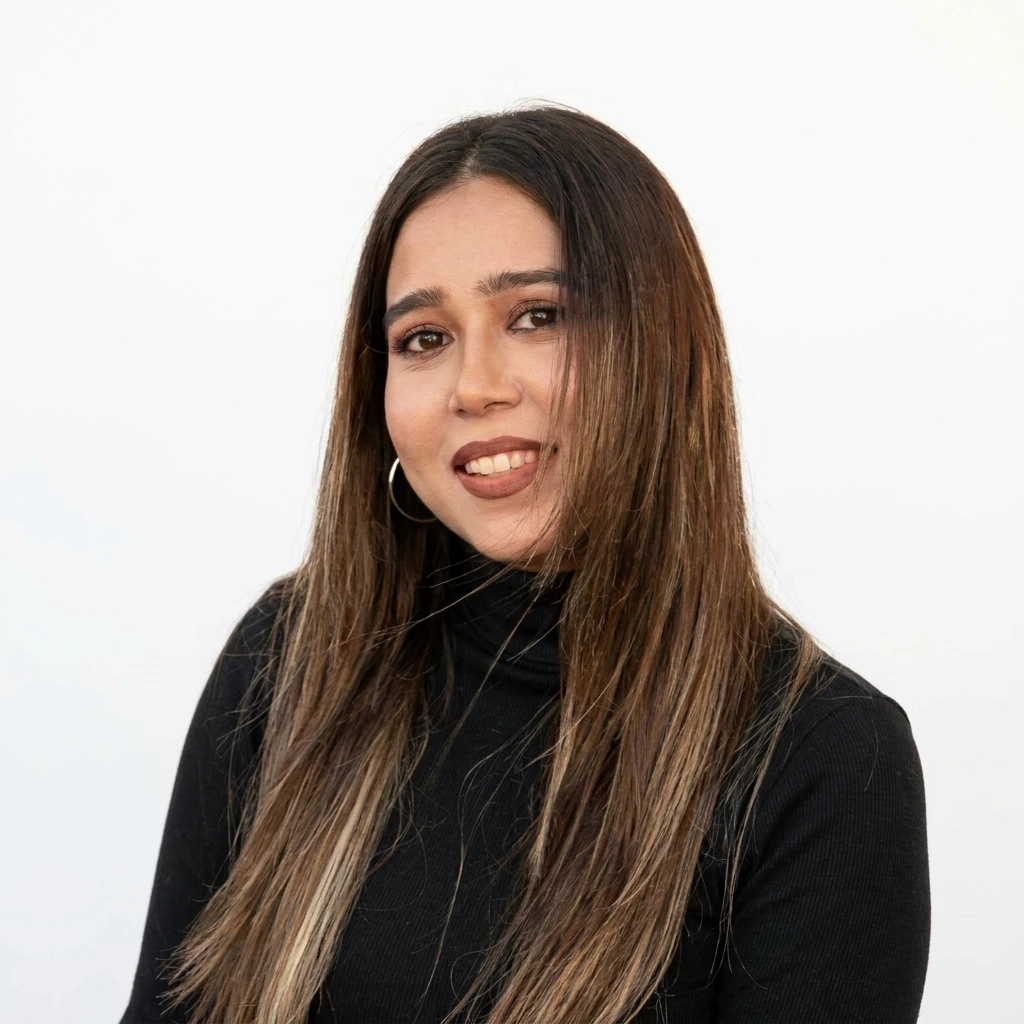
Ali Hazelwood and the Festival Panel Incident
Ali Hazelwood, who wrote The Love Hypothesis and several other romance novels that performed strongly on BookTok, attended a panel at the Los Angeles Times Festival of Books in April 2026. A comment she made during that panel generated a backlash online. The specifics of what she said have been described differently depending on which account you read, but the result was a coordinated negative response on social media.
Hazelwood left Instagram after the incident. Creators who have defended her framed the reaction as disproportionate and pointed to a broader pattern in the community where pile-on responses to any perceived misstep have become routine. One BookTok creator said the discourse had 'lost the plot over a fictional bread boy,' which is a sentence that requires knowing the context to decode but captures the mood accurately.
The incident sits separately from the other two because it is not about artistic or ethical practices. It is about the social dynamics of a community that has enormous reach and sometimes uses that reach in ways that feel less like accountability and more like punishment.
What It All Adds Up To
Three different situations landing in the same window is not a coincidence about those situations. It reflects something about where the book community is right now. The rise of BookTok created a version of literary culture that is faster, louder, and more commercially powerful than anything that came before it. A single video can send an indie author's sales through the ceiling. A single controversy can send them crashing back down.
The community has been sorting out what that power means and how it should be used. The Beverly situation is about trust and originality. The Aveyard video is about what counts as writing. The Hazelwood incident is about proportionality. None of them are the same question, but they are related. And they landed together in a moment when readers, authors, and creators are all trying to figure out what the rules are supposed to be.
WHAT WRITERS CAN TAKE FROM THIS • Your original voice is your most defensible asset. If someone cannot tell whether your work was written by you or generated by a tool, that is a problem even before the legal questions. Readers notice. • Vague public callouts create speculation voids. If you are calling out a practice rather than a person, know that the audience will supply the name themselves. • BookTok has real commercial power in both directions. A community that can send your book to the bestseller list can also take your reputation apart in the same news cycle. • Originality in fiction is both a legal standard and a reader expectation. The legal standard is hard to meet. The reader expectation is immediate. • The difference between accountability and pile-on is whether the response is proportionate to the thing that triggered it. That line is very easy to miss when you are online. |
Every original idea starts somewhere. Keeping a record of where your story came from, what you researched, and how your characters developed is part of building something that is genuinely yours. WriteO's Novel Notes lets you capture research, character details, and creative decisions alongside your manuscript so your process is always documented and organized in one place.
Sources: NBC News, Internewscast Journal, Trillmag, Strike Magazines, NBC Universal coverage